
Cards
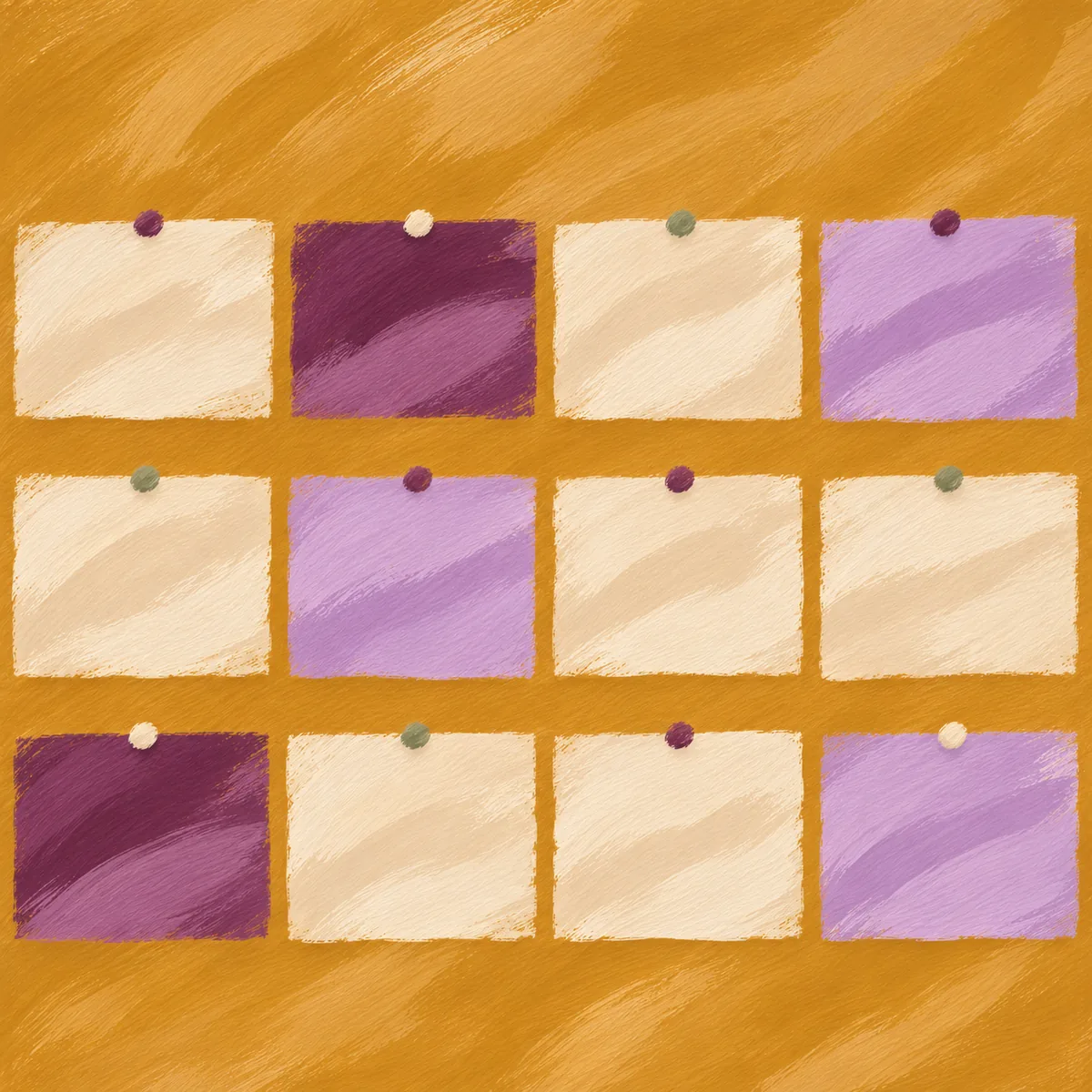
Every scene is a card. Shuffle them on the corkboard and the manuscript follows.
Longhand keeps your manuscript, your outline and every note about the people in it side by side. This page follows one novel through it, from a second draft to the shelf.


Ines Varga planned The Salt Year on cards, checked its shape in the outline, then shut everything out and wrote. It was the same draft each time.
Every scene is a card. Shuffle them on the corkboard and the manuscript follows.

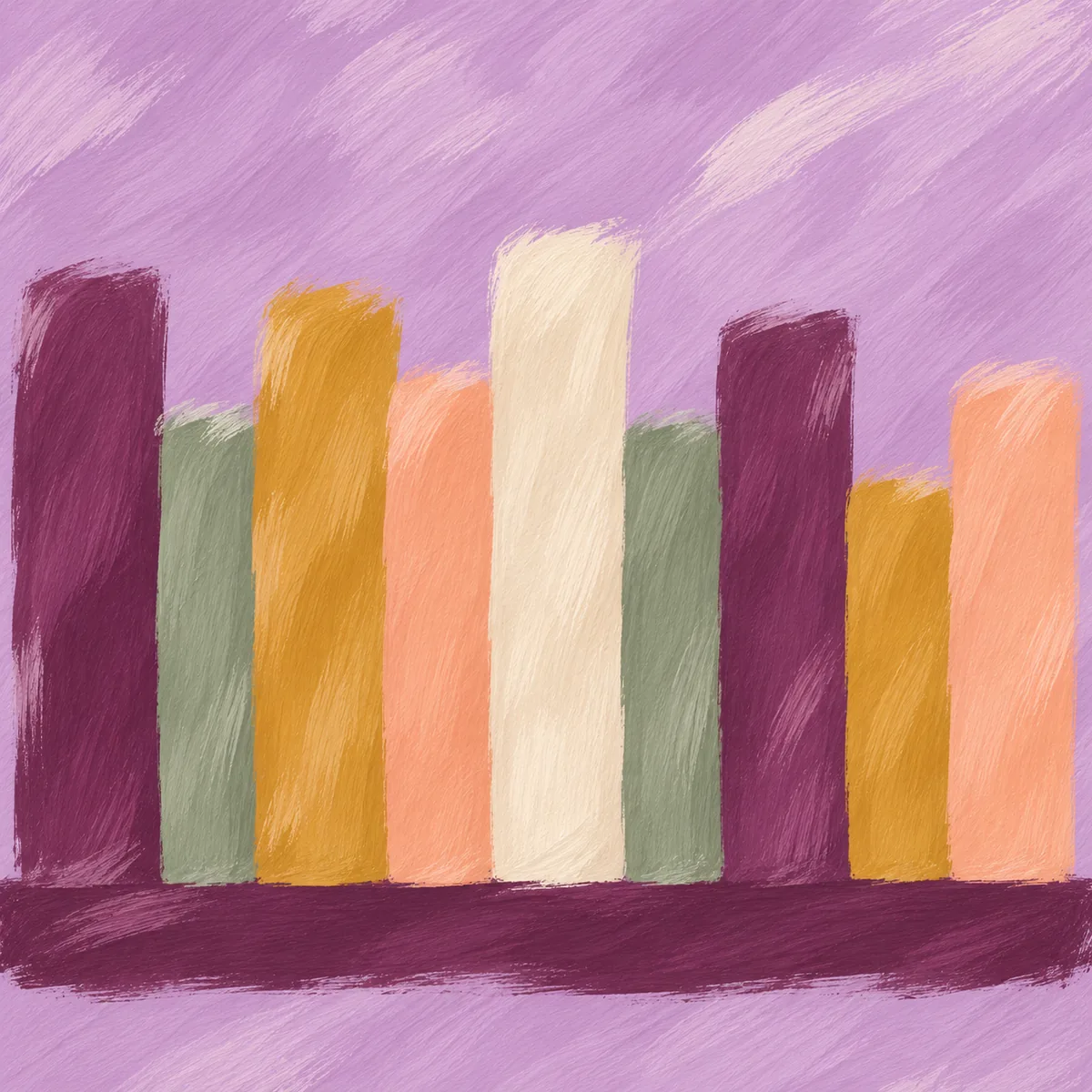
The whole book as a table: who tells each chapter, how long it is, how finished.

Shut everything else out. Nothing on screen but the chapter you are writing.
A novel has a cast, and a writer forgets. Keep a sheet for every character and place; Longhand links each one to its scenes, so you can check what Agnes knew in chapter four without leaving chapter nine.


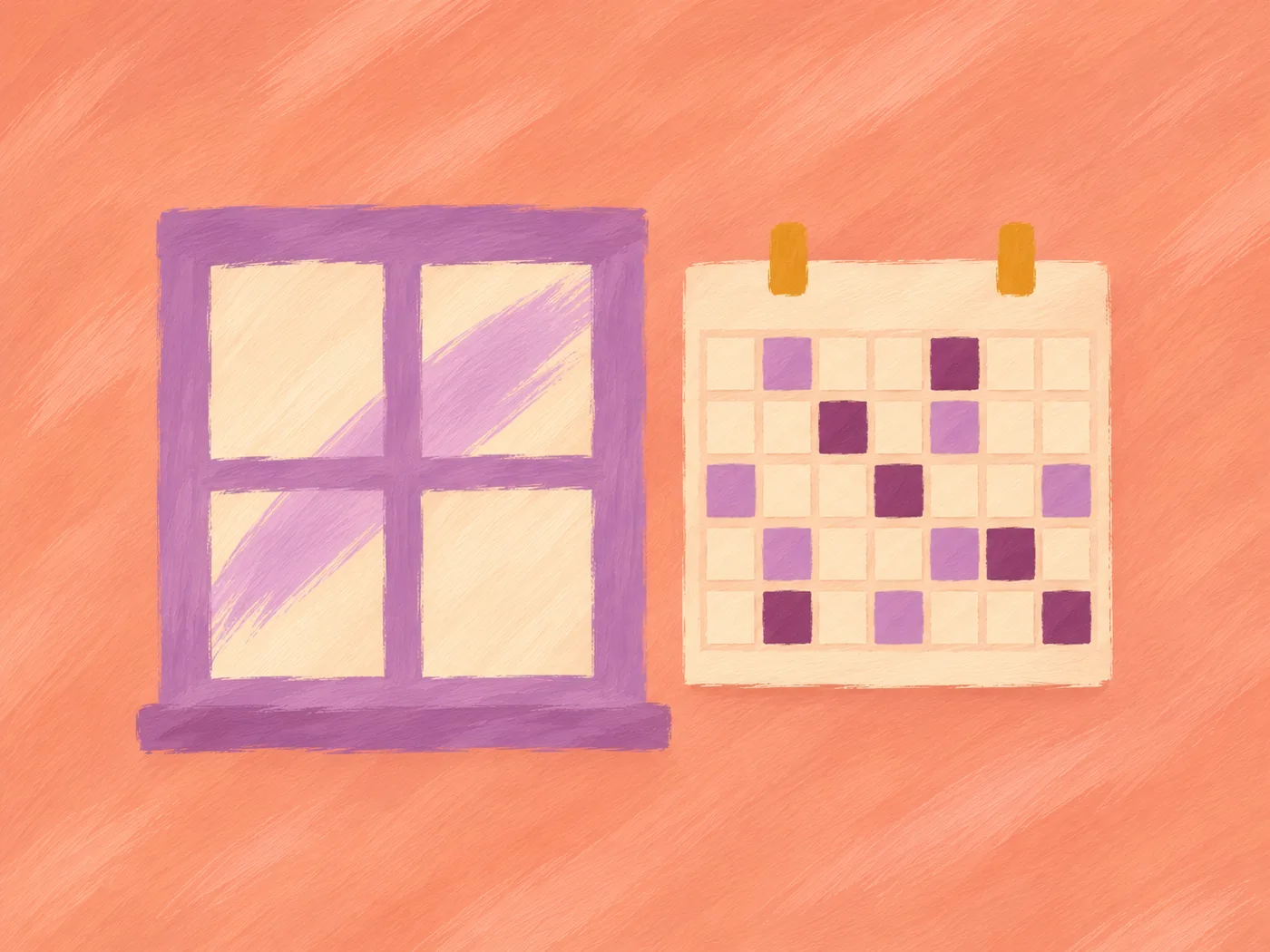
Set words a day or a date to finish by. At a thousand words a day, the second draft of The Salt Year was due on 14 March.

Longhand saves a snapshot each time you stop. It was done on the 12th, with every earlier version still there to compare.
The Salt Year, the book in every window on this page, went to its publisher in the spring. Here it is with five others that were written in Longhand.

 The Salt Year

 What We Ate That Summer

 A History of Small Towns

 The House at Ember Hill

 Fair Wind, No Map

 The Long Way to Marlow
“I stopped keeping the book in my head. The outline holds it, and I get to write the scene in front of me.”
 Ines VargaNovelist, The Salt Year
“My editor’s notes used to arrive as a forty-page email. Now they sit next to the sentence they are about.”
 Samir HaddadMemoirist, What We Ate That Summer
“Three hundred sources and one book. I can find where I used each of them in two keystrokes.”
 Anders HolmHistorian, A History of Small Towns
The six things writers ask first. For anything else, write to hello@longhand.example
Yes. Drop in a Word file, a folder of Markdown or plain text, and Longhand splits it into chapters at your headings. Nothing in the original file is changed.
The desktop app keeps the whole book on your machine and works anywhere. It syncs with your other devices the next time you are online.
Only you, and the people you invite to a draft. Your book is encrypted in transit and at rest, and it is never used to train a model.
A manuscript in standard submission format as Word or PDF, an EPUB for readers, and a print-ready PDF at the trim size you choose.
Yes, on Writer and Press: invite an editor or a reader to any draft. They pay nothing, leave comments and suggested changes in the margin, and you accept or decline each one.
It stays yours. You can open and export everything for as long as you like, and you keep editing on the free plan for one book.

Longhand is free for your first book, on every device, for as long as it takes to write.